On this pageA multi-generational carbon removal companyFrom charcoal to carbon removalWhat the biochar is actually forThe superpower of being very FrenchThe headwinds of insetting in the Global NorthA love letter to wood
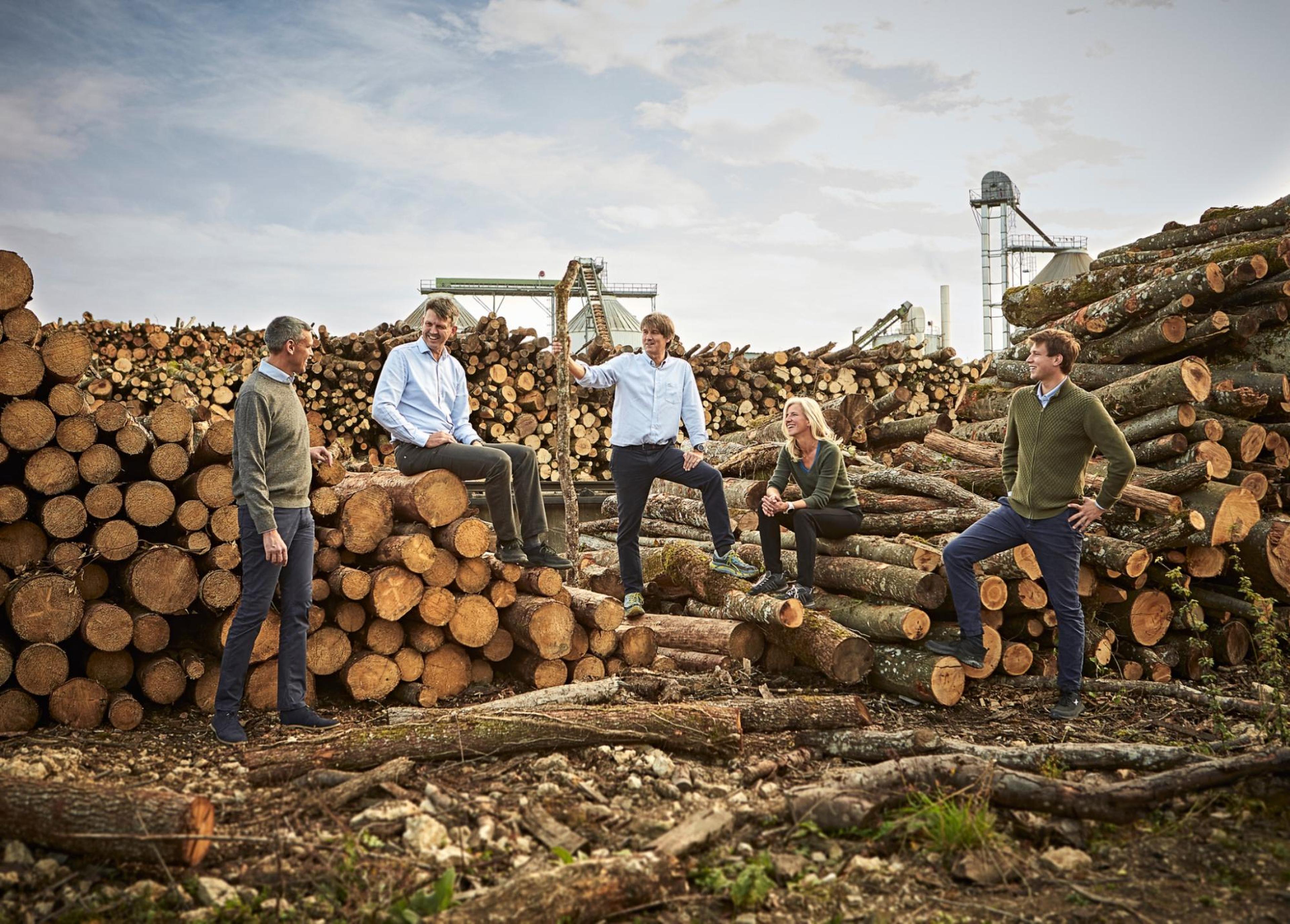
A multi-generational carbon removal companySoler has been turning French wood into charcoal since 1993. For most of that time, the product was what you think of when you think of charcoal—the stuff you light under a barbecue, though it was largely for industrial use. Today the same company also makes biochar, a charcoal-like material that keeps carbon locked in the ground for centuries, and sells it as carbon removal issued through Rainbow’s registry and standard.The charcoal-making process throws off energy that most producers simply waste. Soler captures the gases released during production and turns them into enough green electricity to power around 15,000 homes in the villages around its factories. It sells that power into the national grid on twenty-year contracts.It’s also a family business three decades deep. Three brothers founded the company in 1993, and a second generation now works alongside them. Anne-Mette Soler-My, who is Danish, married Pierre, the CEO; she runs marketing. Their son Emil handles the newer, non-barbecue markets. Tom Harcourt, an Englishman who married into a local wine family, runs the biochar side of the business. This all makes Soler an oddity in carbon removal, a field otherwise full of young startups. It may be the first truly multi-generational carbon removal company I've come across. And it got here by a route almost no one else took: not from climate tech, but from charcoal.
From charcoal to carbon removalThe family's environmental streak runs back further than the climate conversation does. Emil's grandfather made charcoal the traditional way and imported it from abroad. That is, until the family saw the deforestation and the labor conditions behind the cheap product. They decided, in Emil's words, "we cannot do this."So they built an R&D operation to make charcoal cleanly, at home in France. They worked out how to capture the pyrolysis gases that normally escape into the sky and turn them into green electricity. They cut their emissions by something like ninety-nine percent. Everyone told them they were crazy to make charcoal in France, where it would surely be too expensive. Carbon dioxide removal, when it arrived, was less a pivot than the logical next step.Here’s one important detail you have to understand about Soler’s operations. They don’t run a separate line for biochar. The barbecue charcoal, the industrial carbon, and the biochar are the same material at the same quality; the only difference is the size of the grains. When carbon removal came along, it wasn't a pivot. It was the logical next step for a company that already knew how to do the hard part.I love stories of biomass experts who grow into biochar, rather than climate obsessives who back into biomass. It gives me faith in their operational expertise.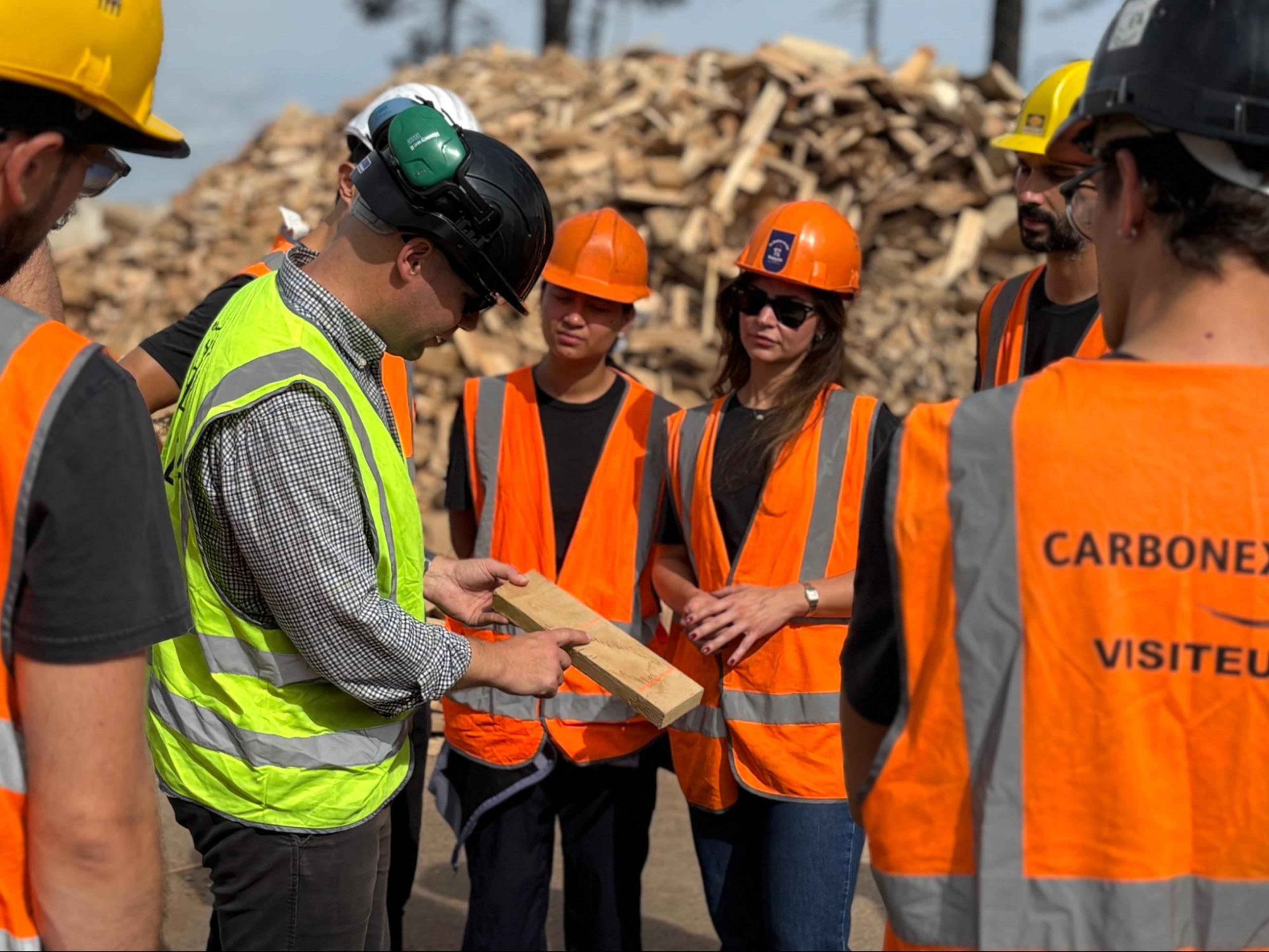 The Rainbow team went deep on wood sources for biochar on a recent site visit to Soler.
What the biochar is actually forBiochar only earns its keep if someone wants it. Soler's two biggest and fastest-growing markets aren't glamorous: urban tree planting, where the char goes into the pits dug for the trees that line French streets, and construction, where it replaces a dirtier ingredient called clinker in cement.The prettier market is wine, and it goes in a beautiful loop. Soler keeps its charcoal factories in Champagne and near Bordeaux, where some of France’s best wine comes from (fighting words, I know). This is not a coincidence. France needs oak for its barrels. A young oak headed for wine barrels needs shelter as it grows, so foresters raise beech trees around it. Twenty years later, those beeches are cut down to give the oak room. Soler takes the beech, turns some of it into biochar, and then sends the biochar back into the vineyards the wood came from, as fertilizer.Getting biochar into the ground is harder than it sounds. Vine rows are narrow and never plowed, only scraped at the surface, so the char takes its time working down to the roots.Tom has learned to read each vineyard. In Champagne, dense clay locks water away from the vines, and biochar helps free it. Near Bordeaux, the problem is the opposite; they have dry soil, so the char builds a reserve of water instead. The easiest time to add it is when a vineyard is replanted, which is when Tom pounces. Still, Tom won't let me turn Soler into a wine story. "You shouldn't overegg how much biochar we use in vineyards," he said. The volume may be in less photogenic applications, but the romance is in the vines.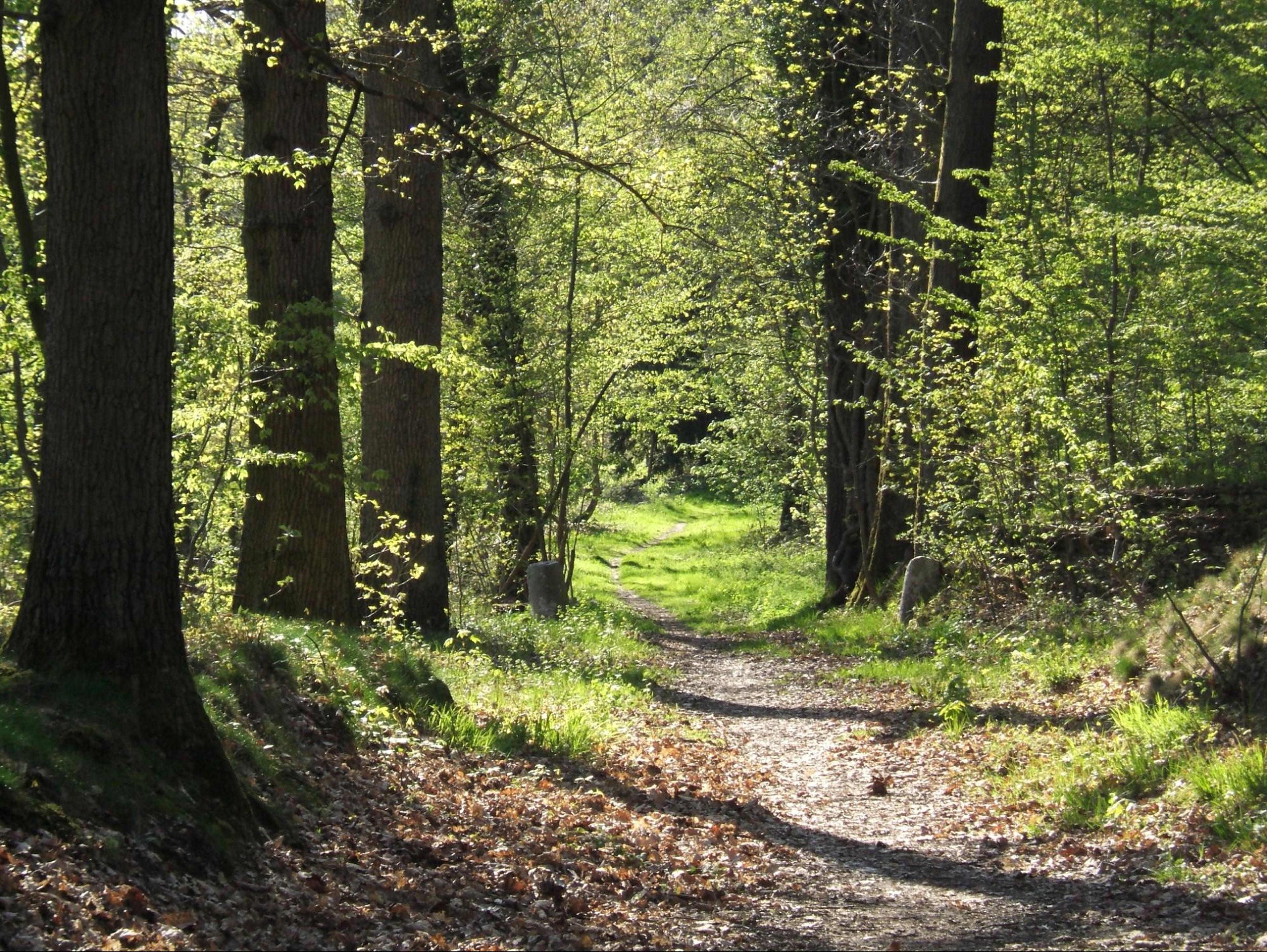 An objectively idyllic forest in France.
The superpower of being very FrenchThe interesting thing about Soler is how French it has decided to be. Many of its carbon credit buyers are French, and Tom has turned that into a ritual. The buyer takes the train from Paris — two hours to Champagne, or southwest toward Bordeaux. Tom collects them at the station, drives them to a vineyard where the biochar is already in the ground, and then on to the factory.Part of the value is simply that seeing and touching the thing makes the abstraction real. The deeper pitch is that a French company buying French carbon removal is doing its climate work at home, inside the same legal and social framework it already answers to. Tom called it the opposite of exporting emissions, a sort of carbon removal that stays put. Collaborating with Rainbow—the French carbon dioxide removal registry and standard—is another way of staying rooted in the best kind of way.There is real commercial logic in draping yourself in the tricolor and letting La Marseillaise play. A buyer who wants to be certain of what they funded can get on a train and stand in the vineyard which hosts Soler’s biochar by lunchtime.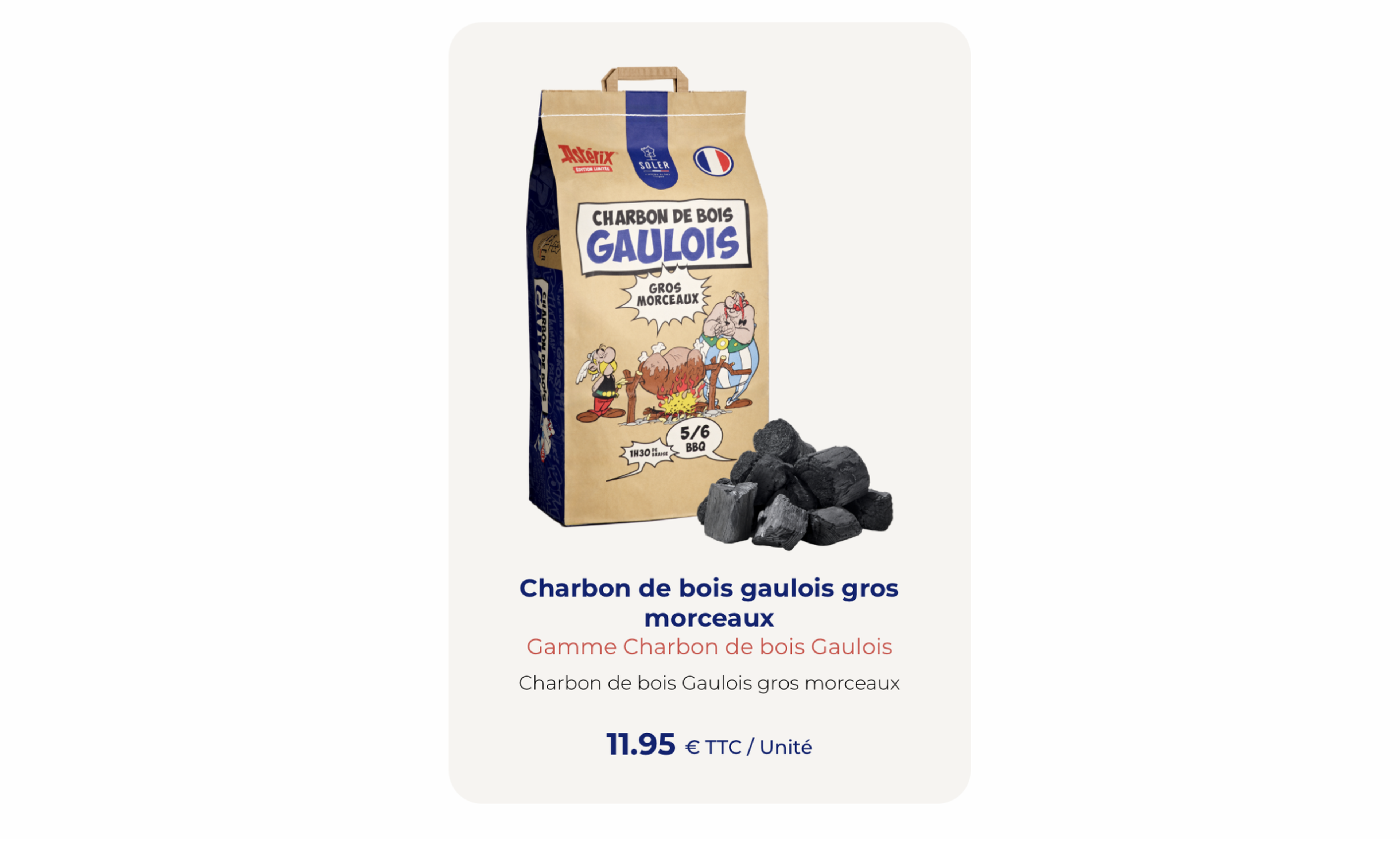 A sign that your company is truly French: Asterix le Gaul is on your packaging.
The headwinds of insetting in the Global NorthNone of this happens in an easy climate, in either sense. Soler's bio-coal line, which replaces coal in heavy industry, ought to be a straightforward win, but it's slow. Europe gives industry little reason to decarbonize, and cheap imports keep undercutting the clean option. The deforestation regulation the family had been counting on has been delayed twice and looks, in Tom’s phrase, like it is on life support with several people reaching for the plug.This is not likely to improve with the War in Iran, the energy politics of Europe, and the ascendancy of the National Rally in France. Anne-Mette talks about having been “surfing a nice green wave” that has since receded, and says she hopes it comes back.The economics are stubborn, too. In Europe, biomass isn't free waste the way it often is in the Global South. Nearly everything already has a use, so it's genuinely precious. That alone makes a European biochar credit cost more than one from a place where the raw material is close to free. Soler cannot break even on carbon credits alone. The credits subsidize the biochar, and the biochar has to earn its keep by being useful to somebody, which is why Tom cares that farmers and cities actually want the material for its own sake.That is biochar’s quiet advantage: a grower will buy it because it works on their soil, whether or not they give a thought to the climate, which makes it one of the few removal pathways that might survive a change of government—one more thing for which France is known.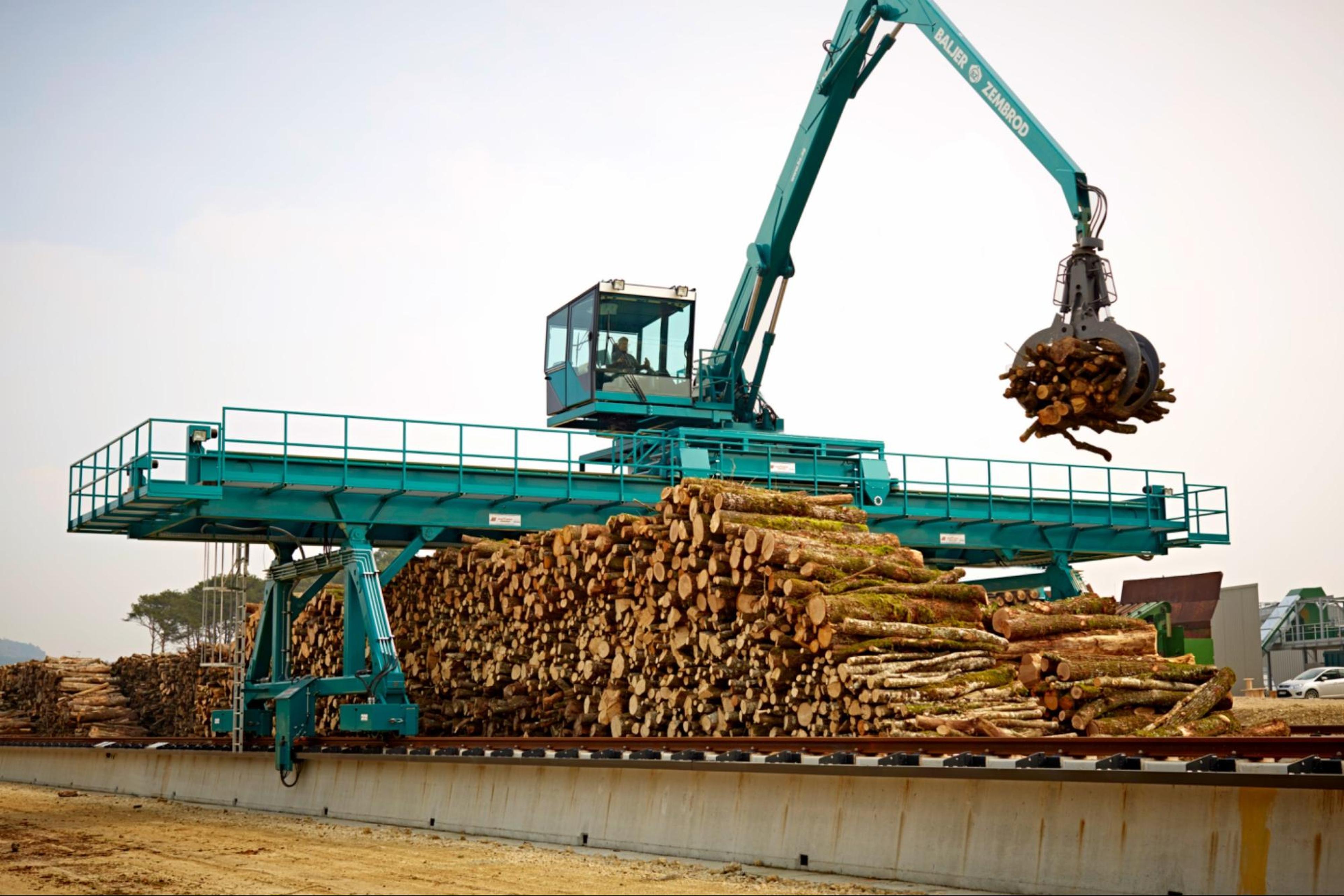 It might take heavy industry to decarbonize heavy industry.
A love letter to woodWhen I interview people, I like to ask what I didn’t know to ask. Anne-Mette answered with something close to a love letter to wood. You can pull an astonishing number of things out of a single piece of it, she said, and they are nowhere near done finding them. Tom reached for a word he could only locate in French: patrimoine.Soler’s factories are new, but charcoal-making is ancient. The family sees itself inside a long inheritance of turning the forest’s leftovers into useful things, while the noble timber goes to barrels and beams. Foresters cut trees, which upsets people who do not understand that cutting is part of keeping a forest healthy. Soler takes what is left behind.It is a modest way to describe a company that turns industrial forest scraps into clean electricity and buried carbon, and quietly amends the soil of some of the most storied vineyards on Earth. It is also, I think, exactly the right one. Soler takes the rest, and they make it matter.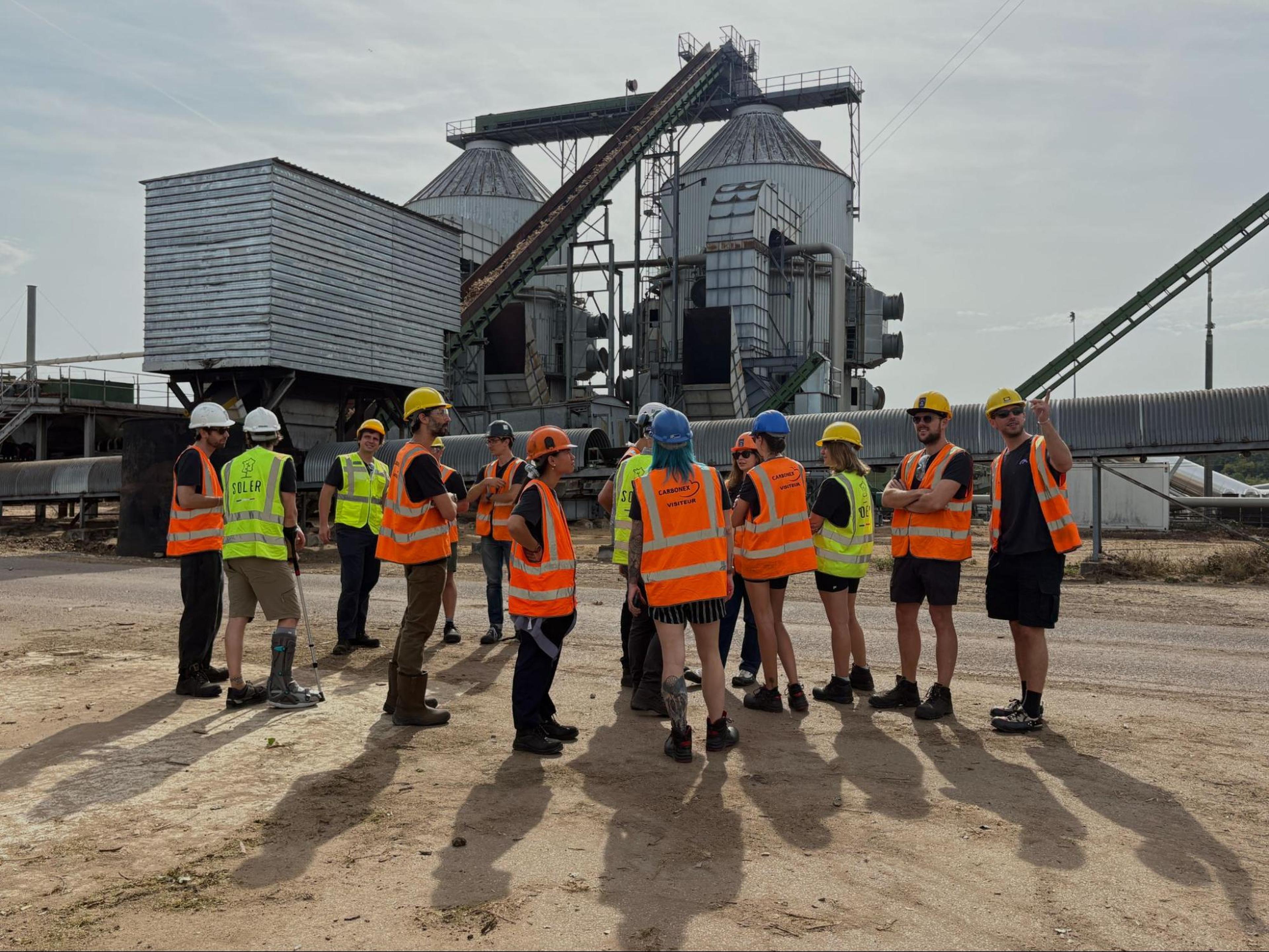 The Rainbow team in their finest fluorescents at Soler’s Gyé-sur-Seine facility.